Get expert advice on how to choose the right paving for your garden, ensuring it suits your lifestyle, enhances curb appeal, and provides lasting quality.
Start with your budget
Choosing the right paving starts with knowing how much you can spend overall. Set a clear budget for materials, labour and any extras like drainage, edging or lighting. Think about where you want to invest more and where you can keep things simple. Porcelain and natural stone often cost more than concrete, but can last longer and look smarter.
Remember to include waste, cuts and a small spare amount for future repairs. A honest budget helps you compare quotes fairly and stops costs creeping up halfway through the job. It also guides your choice of installer, as you can explain your limits and ask what is realistic within that price range. This keeps the project manageable.
Measure your garden size and layout
Before you pick any paving, measure your garden carefully. Note the length and width of each area where you want slabs, and mark fixed features such as sheds, trees, raised beds and manhole covers.
Sketch a simple plan on paper so you can see how paths, patios and lawn areas fit together. Think about sun and shade through the day, as this will affect where you sit and which surfaces might stay damp. Check levels and slopes so water can drain away from the house.
If your garden is uneven, you may need extra work to build steps, low walls or terraces. Accurate measurements help you work out how many square metres of paving you need and reduce waste.
They also allow suppliers and installers to give clear, written quotes. Consider leaving planting pockets or borders between paved areas to soften the look and let rain soak into the ground.
In narrow gardens, long straight lines can make the space feel like a corridor, so you might choose angled paths or curves to break it up. In larger gardens, you can use different zones, such as a dining terrace near the house and a quiet seating spot further away.
When you understand your layout, you can choose paving sizes and patterns that fit neatly, without lots of small cuts that add cost and time. Good planning at this stage prevents awkward gaps, avoids trip hazards and helps your paving feel natural within the garden.
Think about how you will use the space
The best paving for your garden depends on what you want to do there. If you plan to dine outside often, choose a level, stable surface that suits tables and chairs and is kind to bare feet.
For play areas, look for slabs with good grip and avoid very sharp or glossy finishes. If you enjoy gardening, you might want wider paths for wheelbarrows and kneeling, with firm edges that stop soil spilling over.
For low maintenance relaxing, choose hard wearing, easy clean paving and keep layouts simple. It helps to list your main uses and rank them so the most important ones guide your final choice. This keeps the design focused.
Patio, paths or driveway what you need
Different paved areas work in different ways, so match the material to the job. Patios used for seating and dining need a smooth, comfortable surface that is easy to keep clean and works well with furniture.
For garden paths, think about how often they are used and whether they need to take wheelie bins, bikes or wheelbarrows. Narrow, winding paths can feel charming but should still be safe to walk on in poor light.
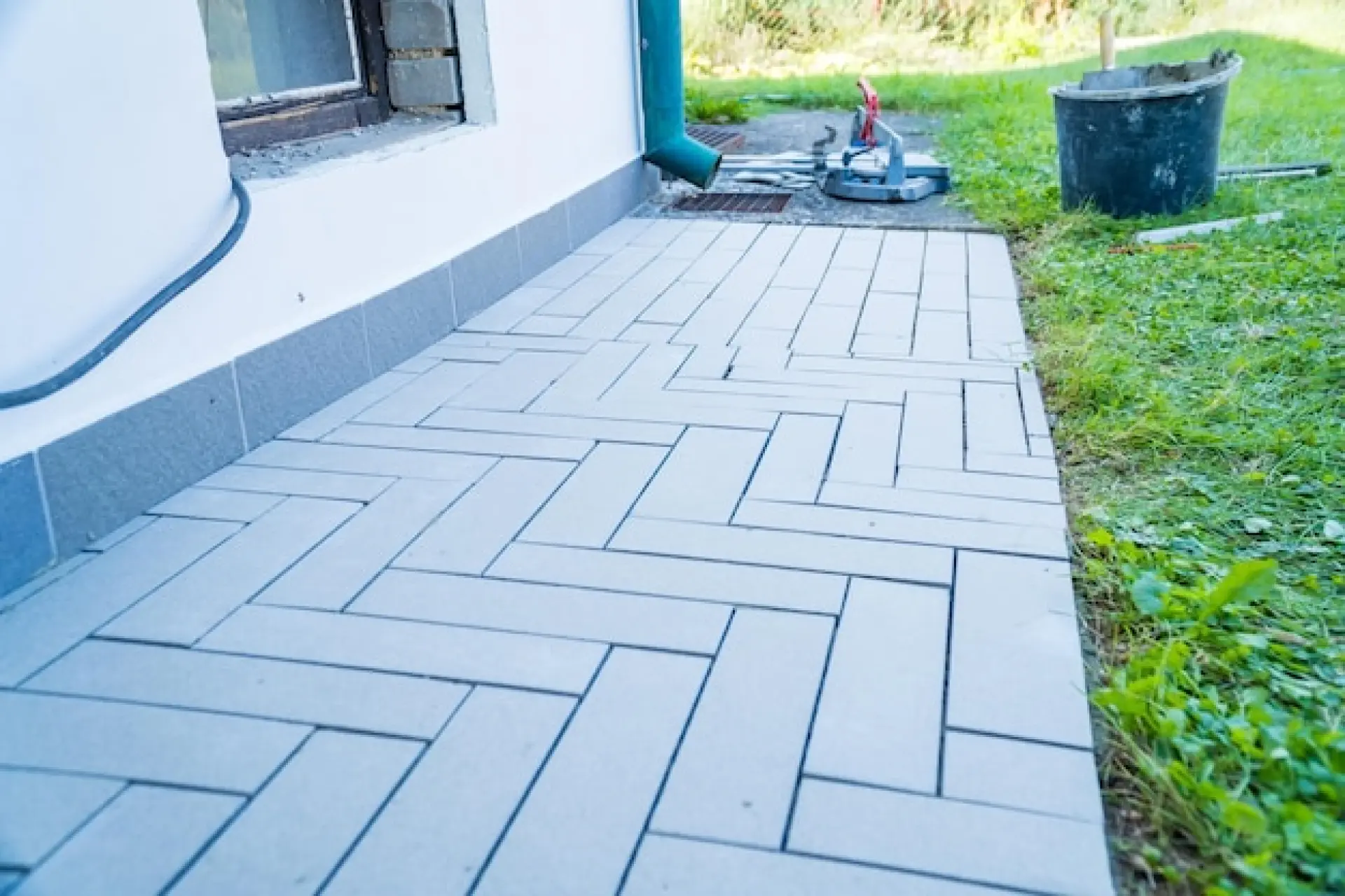
Driveways take the heaviest load, so they need strong, well laid paving with a firm base and good drainage to prevent sinking and puddles. Not all slabs suit vehicles, so always check the product rating.
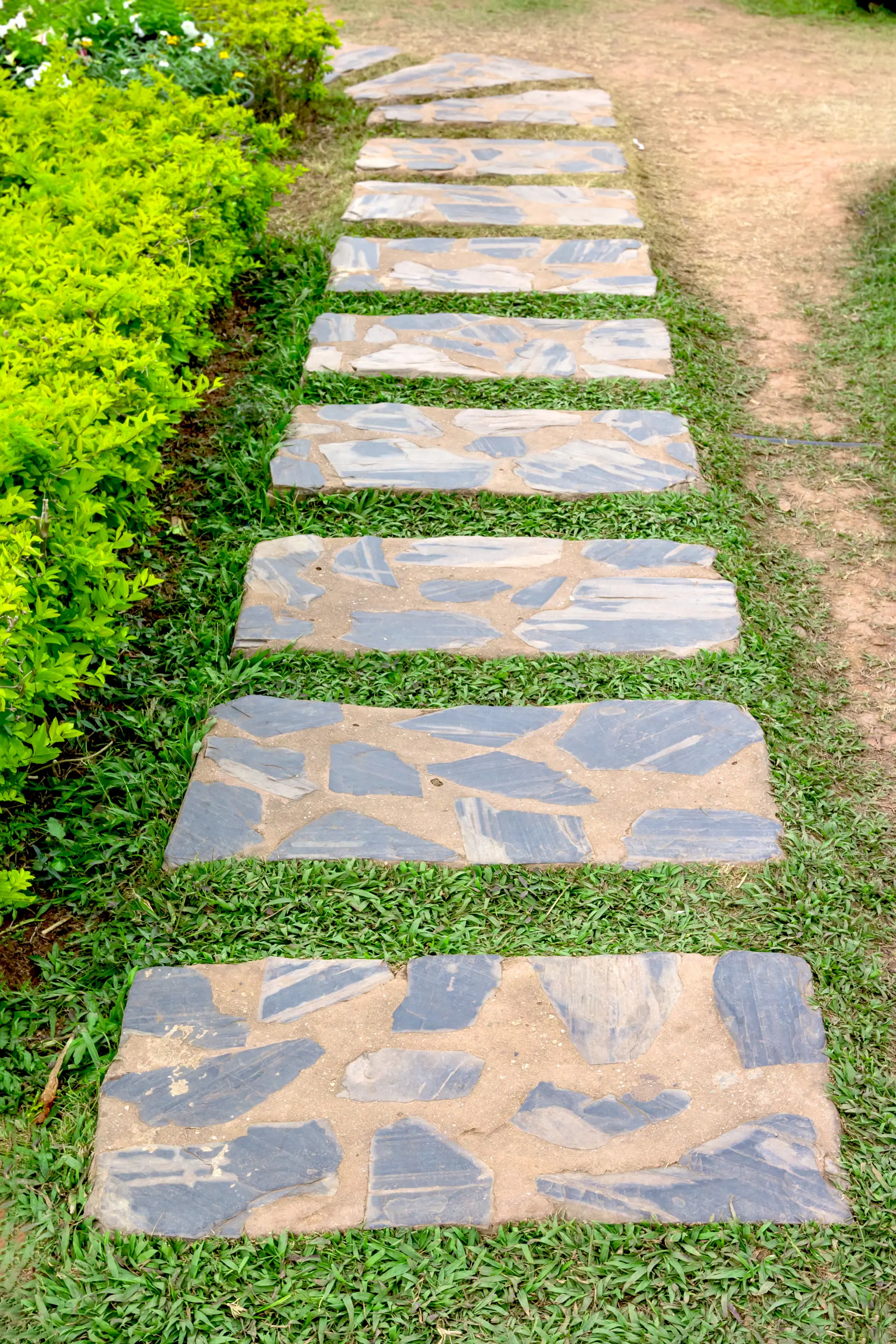
You may decide to mix materials to suit each space, such as block paving on the drive, large slabs for the main terrace and gravel or stepping stones for lighter use paths. Make sure the different surfaces link together in a tidy way, with clear edges and level changes.
Think about access for prams, wheelchairs and pushchairs so no one struggles with deep gravel or high steps.
Lighting is also important, especially along paths and next to steps, where textured paving can improve grip. When planning, mark out the patio, paths and parking with string or hoses so you can walk the routes and adjust sizes before work starts.
This avoids regret once everything is laid and fixed. A clear plan of these areas helps you order the right materials and control costs carefully.
Colour and texture that suits your garden
Paving colour and texture have a big effect on how your garden feels. Light shades can make small spaces seem larger but may show dirt more quickly. Darker tones hide marks better and can add warmth, especially in modern designs. Think about how the paving will look next to your house walls, fencing and planting.
A gentle contrast usually works well and helps the garden feel joined together. Textured or riven finishes give more grip and a softer, natural look, while smooth porcelain creates a clean, crisp style. If possible, view full samples outside in daylight, as colours often change between indoor showrooms and real gardens. This makes choosing a final option easier.
Our paving services offer a supply of materials that help you create patios, paths and driveways. With a variety of suitable materials, colours and textures, you can create practical, attractive outdoor spaces tailored to your home, budget and lifestyle, with clear advice from us if necessary.
Contact us today for paving suppliers in Bradford, Halifax and North Yorkshire.